Showing posts with label Classic Novels Book Club. Show all posts

Saturday, January 31, 2026

Classic Novels Book Club: The Top 200 Works of Fiction

image from aol.com

When I launched the Classic Novels Book Club read more here) in July 2018, it was based on a list of the top 100 works of fiction of all-time. You can see that original list here. In January 2026, however, the list was revised as the group neared completion of the top 100 books. Below is the revised list of the top 200 works of fiction of all time as of 1/31/2026. Those books which the group has already read or are scheduled to read have been highlighted.

2026 rank / 2018 rank / Author / Book Title / Year of Publication

  1. (4) Harper Lee To Kill a Mockingbird (1960)
  2. (1) J.D. Salinger The Catcher in the Rye (1951)
  3. (2) F. Scott Fitzgerald The Great Gatsby (1925)
  4. (3) George Orwell 1984 (1949)
  5. (11) Miguel de Cervantes Don Quixote (1615)
  6. (9) J.R.R. Tolkien The Lord of the Rings (trilogy: 1954-55)
  7. (19) Lewis Carroll Alice’s Adventures in Wonderland (1865)
  8. (7) John Steinbeck The Grapes of Wrath (1939)
  9. (5) Vladimir Nabokov Lolita (1955)
  10. (6) Joseph Heller Catch-22 (1961)

  11. (16) Gabriel García Márquez One Hundred Years of Solitude (1967)
  12. (8) James Joyce Ulysses (1922)
  13. (25) Jane Austen Pride and Prejudice (1813)
  14. (20) Herman Melville Moby-Dick (1851)
  15. (30) Mark Twain The Adventures of Huckleberry Finn (1885)
  16. (12) Emily Brontë Wuthering Heights (1847)
  17. (17) Leo Tolstoy War and Peace (1869)
  18. (14) William Golding Lord of the Flies (1954)
  19. (77) J.K. Rowling Harry Potter and the Philosopher’s Stone (aka Harry Potter and the Sorcerer’s Stone) (1997)
  20. (10) Charlotte Brontë Jane Eyre (1847)

  21. (43) J.R.R. Tolkien The Hobbit (1937)
  22. (28) Fyodor Dostoyevsky Crime and Punishment (1866)
  23. (15) Toni Morrison Beloved (1987)
  24. (21) Joseph Conrad Heart of Darkness (1899)
  25. (18) Aldous Huxley Brave New World (1932)
  26. (56) C.S. Lewis The Lion, the Witch, and the Wardrobe (1950)
  27. (32) E.B. White Charlotte’s Web (1952)
  28. (31) Homer The Odyssey (800 B.C.)
  29. (23) Margaret Mitchell Gone with the Wind (1936)
  30. (38) Charles Dickens Great Expectations (1861)
  31. (13) Jack Kerouac On the Road (1957)
  32. (27) Leo Tolstoy Anna Karenina (1877)
  33. (29) William Faulkner The Sound and the Fury (1929)
  34. (52) Charles Dickens A Tale of Two Cities (1859)
  35. (26) Kurt Vonnegut Slaughterhouse-Five (1969)
  36. (24) George Orwell Animal Farm (1945)
  37. (22) Ernest Hemingway The Sun Also Rises (1926)
  38. (44) Louisa May Alcott Little Women (1869)
  39. (82) Marcel Proust Swann’s Way (1913), part one of In Search of Lost Time, aka Remembrance of Things Past (A La Recherche du Temps Perdu) (series: 1913-1927)
  40. (57) Margaret Atwood The Handmaid’s Tale (1986)

  41. (39) Douglas Adams The Hitchhiker’s Guide to the Galaxy (1979)
  42. (35) Ralph Ellison Invisible Man (1952)
  43. (54) Fyodor M. Dostoyevsky The Brothers Karamazov (1880)
  44. (53) Mary Shelley Frankenstein (1818)
  45. (64) Antoine de Saint-Exupéry The Little Prince (Le Petit Prince) (1943)
  46. (40) Gustave Flaubert Madame Bovary (1857)
  47. (36) Homer The Iliad (800 B.C.)
  48. (34) Alice Walker The Color Purple (1982)
  49. (49) Ray Bradbury Fahrenheit 451 (1953)
  50. (37) George Eliot Middlemarch: A Study of Provincial Life (1872)

  51. (73) Daphne Du Maurier Rebecca (1938)
  52. (47) Nathaniel Hawthorne The Scarlet Letter (1850)
  53. (33) Virginia Woolf To the Lighthouse (1927)
  54. (78) Frank Herbert Dune (1965)
  55. (58) Charles Dickens David Copperfield (1850)
  56. (61) Dante Alighieri The Divine Comedy (Divina Commedia) (1320)
  57. (55) Jonathan Swift Gulliver’s Travels (1726)
  58. (42) Chinua Achebe Things Fall Apart (1958)
  59. (46) Anthony Burgess A Clockwork Orange (1962)
  60. (79) Richard Adams Watership Down (1972)

  61. (85) Victor Hugo Les Misérables (1862)
  62. (45) James Joyce A Portrait of the Artist as a Young Man (1916)
  63. (69) Ernest Hemingway The Old Man and the Sea (1952)
  64. (50) John Steinbeck Of Mice and Men (1937)
  65. (72) Kenneth Grahame The Wind in the Willows (1908)
  66. (71) Albert Camus L’Etranger (The Stranger, aka The Outsider) (1942)
  67. (48) Ernest Hemingway For Whom the Bell Tolls (1940)
  68. (41) Salman Rushdie Midnight’s Children (1981)
  69. (66) Ayn Rand Atlas Shrugged (1957)
  70. (--) Philip Pullman The Golden Compass (1995)

  71. (51) Ken Kesey One Flew Over the Cuckoo’s Nest (1962)
  72. (60) Jack London The Call of the Wild (1903)
  73. (63) Oscar Wilde The Picture of Dorian Gray (1890)
  74. (84) L.M. Montgomery Anne of Green Gables (1908)
  75. (68) Edith Wharton The Age of Innocence (1920)
  76. (67) Alexandre Dumas The Count of Monte Cristo (1844)
  77. (83) A.A. Milne Winnie-the-Pooh (1926)
  78. (65) Daniel Defoe Robinson Crusoe (1719)
  79. (--) Suzanne Collins The Hunger Games (2008)
  80. (86) Robert Louis Stevenson Treasure Island (1883)

  81. (--) Makus Zusak The Book Thief (2005)
  82. (99) Sir Arthur Conan Doyle The Adventures of Sherlock Holmes (1887)
  83. (74) Virginia Woolf Mrs. Dalloway (1925)
  84. (59) E.M. Forster A Passage to India (1924)
  85. (76) Zora Neale Hurston Their Eyes Were Watching God (1937)
  86. (91) Paulo Coelho The Alchemist (O Alquimista) (1988)
  87. (96) Franz Kafka The Trial (1925)
  88. (--) Madeline L’Engle A Wrinkle in Time (1962)
  89. (--) Lois Lowry The Giver (1993)
  90. (62) William Faulkner As I Lay Dying (1930)

  91. (--) Geoffrey Chaucer The Canterbury Tales (1387)
  92. (--) Bram Stoker Dracula (1897)
  93. (81) John Irving A Prayer for Owen Meany (1989)
  94. (70) Richard Wright Native Son (1940)
  95. (--) Dan Brown The Da Vinci Code (2003)
  96. (92) Stephen King The Stand (1978)
  97. (75) Ernest Hemingway A Farewell to Arms (1929)
  98. (--) Erich Maria Remarque All Quiet on the Western Front (1928)
  99. (80) Jane Austen Emma (1816)
  100. (--) S.E. Hinton The Outsiders (1967)
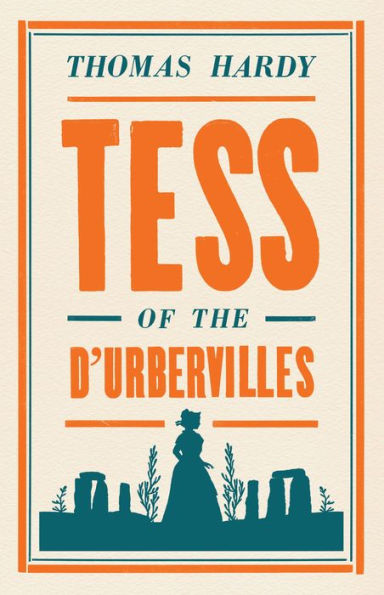
  101. (98) Thomas Hardy Tess of the d’Urbervilles (1891)
  102. (90) William Makepeace Thackeray Vanity Fair (1848)
  103. (--) Roald Dahl Charlie and the Chocolate Factory (1964)
  104. (87) Francois-Marie de Voltaire Candide (1759)
  105. (--) Khaled Hosseini The Kite Runner (2003)
  106. (93) John Bunyan The Pilgrim’s Progress (1678)
  107. (--) Gabriel Garcia Márquez Love in the Time of Cholera (1985)
  108. (--) Umberto Eco The Name of the Rose (1980)
  109. (--) Alexandre Dumas The Three Musketeers (1844)
  110. (89) Sylvia Plath The Bell Jar (1963)

  111. (--) Orson Scott Card Ender’s Game (1968)
  112. (--) Sir Arthur Conan Doyle Hound of the Baskervilles (1902)
  113. (--) George R.R. Martin A Game of Thrones (1996)
  114. (--) Cormac McCarthy The Road (2007)
  115. (--) John Green The Fault in Our Stars (2012)
  116. (100) Laurence Sterne The Life and Opinions of Tristram Shandy (1767)
  117. (--) Stephanie Meyer Twilight (2005)
  118. (--) Stieg Larsson The Girl with the Dragon Tattoo (2005)
  119. (--) John Milton Paradise Lost (1667)
  120. (--) Frances Hodgson Burnett The Secret Garden (1987)

  121. (--) anonymous Arabian Nights (aka “One Thousand and One Nights”) (800 A.D.)
  122. (--) Robert Louis Stevenson The Strange Case of Dr. Jekyll and Mr. Hyde (1886)
  123. (--) Franz Kafka The Metamorphosis (1915)
  124. (--) Agathie Christie And Then There Were None (1939)
  125. (--) Betty Smith A Tree Grows in Brooklyn (1943)
  126. (94) Henry James The Portrait of a Lady (1881)
  127. (--) Charles Dickens A Christmas Carol (1843)
  128. (--) Raymond Chandler The Big Sleep (1939)
  129. (--) Mark Twain The Adventures of Tom Sawyer (1876)
  130. (--) Robert Penn Warren All the King’s Men (1946)

  131. (--) Mikhail Bulgakov The Master and Margarita (1967)
  132. (88) Evelyn Waugh Brideshead Revisited (1945)
  133. (--) Gillian Flynn Gone Girl (2012)
  134. (--) Jules Verne Twenty Thousand Leagues Under the Sea (1870)
  135. (--) John Irving The World According to Garp (1978)
  136. (--) Upton Sinclair The Jungle (1906)
  137. (--) Ford Madox Ford The Good Soldier (1915)
  138. (--) Stendhal The Red and the Black (1830)
  139. (--) Dashiell Hammett The Maltese Falcon (1929)
  140. (--) Fyodor Dostoyevski The Idiot (1869)

  141. (--) Charles Dickens Bleak House (1853)
  142. (--) Kathryn Stockett The Help (2009)
  143. (95) James Baldwin Go Tell It on the Mountain (1953)
  144. (--) Henry Fielding Tom Jones (aka “The History of Tom Jones, a Foundling”) (1749)
  145. (--) Ian McEwan Atonement (2001)
  146. (--) John Kennedy Toole A Confederacy of Dunces (1980)
  147. (--) Willa Cather My Antonia (1918)
  148. (--) Mark Haddon The Curious Incident of the Dog in the Night-Time (2003)
  149. (--) Barbara Kingsolver The Poisonwood Bible (1998)
  150. (--) Vladimir Nabokov Pale Fire (1962)

  151. (--) Carson McCullers The Heart Is a Lonely Hunter (1940)
  152. (97) Thomas Pynchon Gravity’s Rainbow (1973)
  153. (--) Herman Hesse Siddhartha (1922)
  154. (--) Harriet Beecher Stowe Uncle Tom’s Cabin (1852)
  155. (--) Ayn Rand The Fountainhead (1943)
  156. (--) Jane Austen Persuasion (1818)
  157. (--) Charles Dickens Oliver Twist (1838)
  158. (--) Thomas Mann The Magic Mountain (1924)
  159. (--) William Faulkner Absalom, Absalom! (1936)
  160. (--) E.M. Forster Howards End (1910)

  161. (--) Malcolm Lowry Under the Volcano (1947)
  162. (--) D.H. Lawrence Sons and Lovers (1913)
  163. (--) John Steinbeck East of Eden (1952)
  164. (--) Doris Lessing The Golden Notebook (1962)
  165. (--) Wilkie Collins The Woman in White (1860)
  166. (--) Robert Graves I, Claudius (1934)
  167. (--) Rick Riordan The Lightning Thief (2005)
  168. (--) John Updike Rabbit, Run (1960)
  169. (--) Toni Morrison Song of Solomon (1977)
  170. (--) H.G. Wells The War of the Worlds (1898)

  171. (--) Mario Puzo The Godfather (1969)
  172. (--) Veronica Roth Divergent (2011)
  173. (--) Lewis Carroll Through the Looking Glass (1871)
  174. (--) Pearl Buck The Good Earth (1931)
  175. (--) William Styron Sophie’s Choice (1979)
  176. (--) Stephen Cane The Red Badge of Courage (1895)
  177. (--) H.G. Wells The Time Machine (1895)
  178. (--) Jeffrey Eugenides Middlesex (2003)
  179. (--) Laurra Ingalls Wilder Little House on the Prairie (1935)
  180. (--) Anna Sewell Black Beauty (1877)

  181. (--) Joseph Conrad Lord Jim (1900)
  182. (--) Donna Tartt The Secret History (1992)
  183. (--) W. Somerset Maugham Of Human Bondage (1915)
  184. (--) L. Frank Baum The Wonderful Wizard of Oz (1900)
  185. (--) Jonathan Franzen The Corrections (2001)
  186. (--) Theodore Dreiser An American Tragedy (1925)
  187. (--) Yann Martel Life of Pi (2001)
  188. (--) Wilkie Collins The Moonstone (1868)
  189. (--) Norton Juster The Phantom Tollbooth (1961)
  190. (--) Philip Roth Portnoy’s Complaint (1969)

  191. (--) Jean Rhys Wide Sargasso Sea (1966)
  192. (--) Robert A. Heinlein Stranger in a Stanger Land (1961)
  193. (--) Louis-Ferdinand Céline Journey to the End of the Night (1932)
  194. (--) Alice Sebold The Lovely Bones (2002)
  195. (--) Walker Percy The Moviegoer (1961)
  196. (--) Kate Chopin The Awakening (1899)
  197. (--) D.H. Lawrence Women in Love (1920)
  198. (--) Edith Wharton The House of Mirth (1905)
  199. (--) Henry Miller Tropic of Cancer (1934)
  200. (--) Thomas Hardy Jude the Obscure (1895)

Resources and Related Links:

First posted 6/26/2018; last updated 2/3/2026.

Wednesday, October 29, 2025

Today in History (1881): Portrait of a Lady published

First posted 11/11/2025.

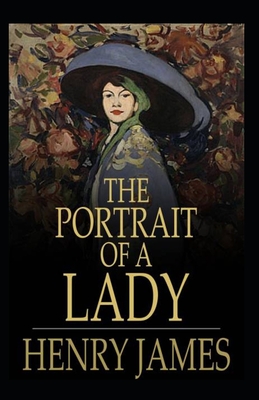
The Portrait of a Lady

Henry James

First Publication: October 29, 1881


Category: romance novel


Sales: ?

Accolades (click on badges to see full lists):

About the Book:

The Portrait of a Lady is “regarded by many as Henry James’ finest work.” BN It is “a lucid tragedy exploring the distance between money and happiness.” BN “In this portrait of a ‘young woman affronting her destiny,’ Henry James created one of his most magnificent heroines, and a story of intense poignancy.” BN It also treats in a profound way the themes of personal freedom, responsibility, and betrayal.” WK

His “mastery of psychology has never been more elegantly expressed nor more gripping than in his tale of Isabel Archer,” TG “a beautiful, spirited American” BN who “is brought to Europe by her wealthy aunt Touchett.” BN The novel “reflects James’ continuing interest in the differences between the New World and the Old, often to the detriment of the former.” WK

Isabel quickly attracts the attention of the neighbor, Lord Warburton, who proposes. She rejects him as well as Caspar Goodwood, “the charismatic son and heir of a wealthy Boston mill owner.” WK Isabel believes that marriage would mean she would sacrifice her freedom and independence.

When her uncle dies and leaves much of his estate to Isabel, she opts to travel. She meets Gilbert Osmond, an American expatriate, in Florence. She is drawn in by his charm and accepts his marriage proposal. However, “beneath his veneer of civilized behaviour” BN is “overwhelming egotism and lack of genuine affection for his wife.” WK Gilbert turns out to be “the ultimate cold fish and one of literature's most repellent villains.” TG An ambiguous ending leaves the reader wondering if Isabel will leave Gilbert or stay with him.


Resources and Related Links:

Thursday, September 18, 2025

Today in History (1937): Their Eyes Were Watching God published

First posted 11/11/2025.

Their Eyes Were Watching God

Zora Neal Hurston


First Publication: September 18, 1937


Category: psychological fiction


Sales: ?

Accolades:

About the Book:

While now “regarded as a masterwork” LC “in both African-American literature and women’s literature.” WKTheir Eyes Were Watching God wasn’t a success upon its initial publication in 1937. The book was “out of print for almost thirty years due largely to initial audiences’ rejection of its strong black female protagonist.” AZ African American critics said it was “facile and simplistic, in part because its characters spoke in dialect.” LC

However, in 1975 author Alice Walker wrote an essay entitled “Looking for Zora” in Ms. magazine that “led to a critical reevaluation of the book.” LC Since the book’s reissue in 1978, is has “become perhaps the most widely read and highly acclaimed novel in the canon of African-American literature” AZ and is “considered to have paved the way for younger black writers such as Alice Walker and Toni Morrison.” LC

“The novel narrates main character Janie Crawford’s ‘ripening from a vibrant, but voiceless, teenage girl into a woman with her finger on the trigger of her own destiny.’ As a young woman, who is fair-skinned with long hair, she expects more out of life, but comes to realize that people must learn about life ‘fuh theyselves’ (for themselves), just as people can only go to God for themselves. Set in central and southern Florida in the early 20th century.” WK

It “brings to life a Southern love story with the wit and pathos found only in the writing of Zora Neale Hurston.” AZ British novelist Zadie Smith called it “a deeply soulful novel that comprehends love and cruelty, and separates the big people from the small of heart, without ever losing sympathy for those unfortunates who don’t know how to live properly.” AZ


Resources and Related Links:

Tuesday, July 1, 2025

This Month in History (1848): Vanity Fair published

First posted 11/11/2025.

Vanity Fair

William Makepeace Thackery

First Publication: July 1848


Category: novel/satire on classism


Sales: 1 million

Accolades (click on badges to see full lists):

About the Book:

“Filled with hilarious dialogue and superb characterizations, Vanity Fair” BN deconstructs “the notions of literary heroism of his era” AZ amidst “a wonderfully satirical panorama of upper-middle-class life and manners in London at the beginning of the nineteenth century.” BN It “is a richly entertaining comedy that asks the reader, ‘Which of us is happy in this world? Which of us has his desire? or, having it, is satisfied?’” BN

The story centers around Becky and Amelia, who “have just completed their studies at Miss Pinkerton’s Academy for Young Ladies and are beginning to embark upon the world. The simple-minded nature of Amelia, who comes from a wealthy family, is contrasted with the strong-willed nature of Becky, who will stop at nothing to climb the social ranks of English society.” AZ

“Becky must use all her wit, charm and considerable sex appeal to escape her drab destiny as a governess. From London’s ballrooms to the battlefields of Waterloo, the bewitching Becky works her wiles on a gallery of memorable characters.” BN

“The novel takes its name from John Bunyan’s Pilgrim’s Progress…in which a town called Vanity is depicted to represent man’s sinful attachment to worldly things. Set against the backdrop of the Napoleonic Wars, Vanity Fair is Thackeray’s classic satire of the societal trappings of Victorian England, self described as a novel without a hero.” AZ


Resources and Related Links:

Friday, June 13, 2025

Today in History (1908): Anne of Green Gables published

First posted 11/11/2025.

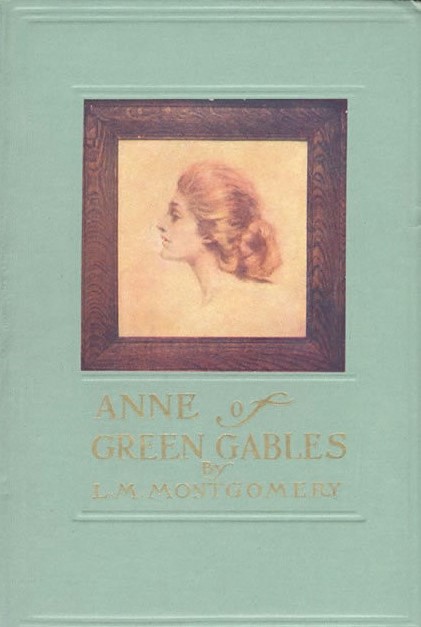
Anne of Green Gables

L.M. Montgomery

First Publication: June 13, 1908


Category: childen’s novel


Sales: 50 million

Accolades (click on badges to see full lists):

About the Book:

This “novel has led generations of children to laugh and cry – but mostly laugh – long with this beloved story’s vivacious heroine.” AZ This “is a cherished tale of the importance of family and community.” BN

“Brother and sister Marilla and Matthew Cuthbert look forward to meeting the young orphan boy whom they hope to give a good life to at…Green Gables,” BN “a tranquil farm on Canada’s Prince Edward Island.” AZ Instead they are accidentally sent “a redheaded chatterbox named Anne. The spirited, precocious 11-year-old orphan finds ‘scope for imagination’ everywhere she looks.” AZ

The Cuthberts “welcome the imaginative girl with loving arms. Under their care and through the friendships she forges at school, Anne enjoys adventures and experiences that teach her how to be loving and caring in return.” BN

She “builds a world of enchantment around Green Gables and its surrounding woodlands, lakes, and valleys. Thanks to the freckle-faced girl’s imaginative musings, the rustic region’s natural wonders blossom into a fairyland of endless romance. Anne’s inspired prattle, goodwill, and joie de vivre win her a warm circle of friends, just as they have won the hearts of readers around the world.” AZ


Resources and Related Links:

In July 2018, I became the organizer of the Classic Novels Book Club. Check out the Book Club tab here or Meetup for more information. This is our September 2024 book.

Saturday, April 26, 2025

Today in History (1925): The Trial published

First posted 11/11/2025.

The Trial

Franz Kafka

First Publication: April 26, 1925


Category: philosophical fiction


Sales: ?

Accolades (click on badges to see full lists):

About the Book:

The Trial was written in 1914 but wasn’t published until 1925, after Franz Kafka’s death. The short novel “exemplifies the term ‘Kafkaesque.’” AZ “Whether read as an existential tale, a parable, or a prophecy of the excesses of modern bureaucracy wedded to the madness of totalitarianism, Kafka’s nightmare has resonated with chilling truth for generations of readers.” BN

It “captures the confusion and distress of suffering persecution by an unseen, unknown and irresistible force. Blending reality and absurdity, violence and hope, this story has endured for a century for good reason.” BN It raises “provocative, ever-relevant issues related to the role of government and the nature of justice.” AZ

It is both an “engrossing” AZ and “terrifying tale” BN “about the human condition plunges an isolated individual into an impersonal, illogical system.” AZ Josef K. is “a respectable bank officer who is suddenly and inexplicably arrested.” BN He endures “a maze of nonsensical rules and bureaucratic roadblocks” AZ in his effort to defend himself of an undisclosed charge on which he can get no information.


Resources and Related Links:

Wednesday, January 1, 2025

This Month in History (1759): Candide published

First posted 11/11/2025.

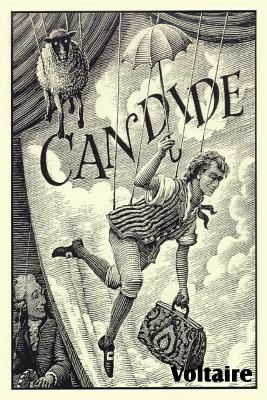
Candide

Francois-Marie de Voltaire

First Publication: January 1759


Category: novella/satire


Sales: ?

Accolades (click on badges to see full lists):

About the Book:

“Caustic and hilarious,” AZ Candide ranks as “one of the finest satires ever written.” BN It “savagely skewers…[optimism] as a shamefully inadequate response to human suffering. The swift and lively tale follows the absurdly melodramatic adventures of the youthful Candide, who is forced into the army, flogged, shipwrecked, betrayed, robbed, separated from his beloved Cunégonde, and tortured by the Inquisition.” BN Candide decides that “contrary to the teachings of his tutor, Dr. Pangloss – all is perhaps not always for the best.” BN

“Indeed, it seemed to be quite the opposite. In brilliantly skewering such naïveté, Voltaire mercilessly exposes and satirizes romance, science, philosophy, religion, and government – the ideas and forces that permeate and control the lives of men.” AZ

When he is reunited with Cunégonde, they retire, along with Dr. Pangloss, to a farm in Turkey where Candide opts for a new approach – cultivating one’s own garden, a “philosophy that rejects excessive optimism and metaphysical speculation in favor of the most basic pragmatism.” BN

“Filled with wit, intelligence, and an abundance of dark humor, Candide is relentless and unsparing in its attacks upon corruption and hypocrisy – in religion, government, philosophy, science, and even romance. Ultimately, this celebrated work says that it is possible to challenge blind optimism without losing the will to live and pursue a happy life.” BN


Resources and Related Links:

This Month in History (1767): The Life and Opinions of Tristram Shandy final installment published

First posted 11/12/2025.

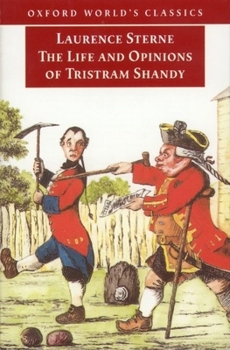
The Life and Opinions of Tristram Shandy

Laurence Sterne

First Publication: December 1759 to January 1767


Category: humorous novel


Sales: ?

Accolades (click on badges to see full lists):

About the Book:

The Life and Opinions of Tristram Shandy, Gentleman was originally published in England in nine volumes acoss five installments from 1759 to 1767. The “great comic novel contains some of the best-known and best-loved characters in English literature – including Uncle Toby, Corporal Trim, Parson Yorick, and Dr. Slop – and boasts one of the most innovative and whimsical narrative styles in all literature.” AZ

The “ingeniously structured novel (about writing a novel)” BN “provoked a literary sensation.” BN “At once endlessly facetious and highly serious” AZ it is “rich in playful double entendres, digressions, formal oddities, and typographical experiments” BN and “fascinates like a verbal game of chess.” BN

It “is the most protean and playful English novel of the eighteenth century and a celebration of the art of fiction.” BN “Its inventiveness anticipates the work of Joyce, Rushdie, and Fuentes in our own century.” BN


Resources and Related Links:

Sunday, December 1, 2024

This Month in History (1891): Tess of the d’Urbervilles published

First posted 11/12/2025.

Tess of the d’Urbervilles

Thomas Hardy

First Publication: serialized fom July to December 1891 in The Graphic


Category: Victorian era social novel


Sales: ?

Accolades (click on badges to see full lists):

About the Book:

“This classic novel is a timeless exploration of love, morality, and the struggle for identity in Victorian England.” AZ When first published, the book received a mixed reception because it challenged the sexual morals of the time. The titular character “emerges as a tragic heroine, incapable of escaping the hypocrisy of Victorian society.” TG

Tess is “a young woman living in rural Victorian England. After learning of her family’s noble d’Urberville lineage, Tess sets out to restore her family’s fortunes.” AZ She spurns the advances of Alec d’Urberville, “a seductive yet dangerous man from her family’s past,” AZ eventually returning home. However, she is “disgraced by an illegitimate child” AZ and “tainted with shame and guilt.” AZ

When she meets Angel Clare, “an idealistic young man from a well-off family,” AZ she falls in love. Scared about how he’ll accept her past, she initially rejects his marriage proposals. When she eventually relents, she reveals her secret to him and he bolts for Brazil. By the time he gets his act together and returns, it’s too late.


Resources and Related Links: